
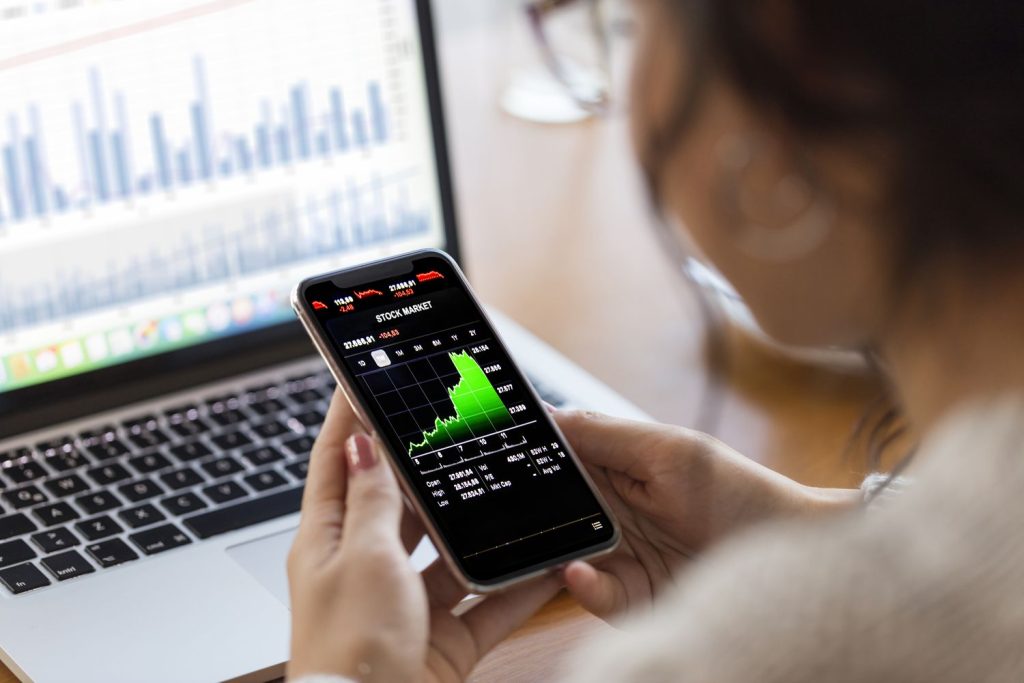
The financial markets have undergone a significant transformation over the past decade, providing Indian retail traders with unprecedented access to global trading opportunities. Among the most popular instruments are Forex (foreign exchange) and Contract for Difference (CFD) trading, which allow traders to speculate on price movements across currencies, commodities, indices, and international stocks.
This article explores Forex and CFD trading opportunities for Indian retail traders, the advantages they offer, and key considerations for participating in these markets safely.
Understanding Forex and CFD Trading
Forex Trading
Forex trading involves the exchange of one currency for another in the global foreign exchange market, which is the largest financial market in the world, with daily trading volumes exceeding $6 trillion. Retail traders in India can access currency pairs such as:
- Major pairs: EUR/USD, USD/JPY, GBP/USD
- Minor pairs: AUD/NZD, EUR/GBP
- Exotic pairs: USD/TRY, USD/INR
Forex trading is attractive due to high liquidity, 24-hour market access, and leverage opportunities.
CFD Trading
CFDs (Contracts for Difference) allow traders to speculate on the price movement of an asset without owning the underlying asset. CFDs are available on:
- Global stocks like Apple, Tesla, or Amazon
- Stock indices such as S&P 500, NASDAQ, DAX, and FTSE
- Commodities including gold, silver, crude oil, and natural gas
- Cryptocurrencies like Bitcoin and Ethereum
CFDs offer flexibility in trading long and short positions, making them ideal for both bullish and bearish market conditions. Indian traders find Trading CFDs with Vida Markets in India convenient due to its user-friendly platform and execution speed.
Advantages of Forex and CFD Trading for Indian Retail Traders
- Access to Global Markets
Through Forex and CFD trading, Indian traders can participate in international markets without physically buying assets abroad. This access allows retail traders to:
- Trade foreign equities without owning the stock
- Speculate on global indices reflecting market trends
- Hedge domestic portfolios with global instruments
- Leverage Opportunities
Both Forex and CFD markets allow trading on margin, enabling Indian traders to control positions much larger than their account balance.
Benefits of leverage include:
- Amplified profit potential
- Efficient capital use
- Ability to diversify across multiple instruments
Caution: Leverage also magnifies losses, requiring careful risk management.
- Flexible Trading Strategies
Retail traders in India can employ various strategies in Forex and CFD trading:
- Day trading: Capturing small intraday price movements
- Swing trading: Profiting from medium-term trends
- Scalping: Exploiting minor price fluctuations in minutes
- Hedging: Protecting positions against adverse market movements
This flexibility allows traders to match strategies with their risk tolerance and trading style.
- High Liquidity and Market Depth
Forex and major CFD markets, such as US stocks and global indices, are highly liquid, ensuring:
- Easy entry and exit from positions
- Tight spreads for cost-effective trading
- Faster execution for active strategies
High liquidity is particularly beneficial for Indian retail traders who rely on online trading platforms.
- Availability of Advanced Trading Platforms
Modern brokers provide Indian retail traders with sophisticated trading platforms such as:
- MetaTrader 4 (MT4) and MetaTrader 5 (MT5)
- Proprietary platforms with charting, indicators, and automated strategies
- Mobile and web-based trading apps for 24/7 market access
These platforms enable real-time analysis, risk management, and automated trading, even for small retail accounts.
- Opportunities in Volatile Markets
Volatility creates opportunities for profit in both Forex and CFD markets. Retail traders can:
- Trade during earnings announcements, economic releases, or geopolitical events
- Capture short-term price swings in currencies and commodities
- Use technical analysis and trend-following strategies to maximize returns
However, volatility also requires disciplined risk management, including stop-loss and position-sizing strategies.
Key Considerations for Indian Retail Traders
- Regulation and Broker Selection
Since CFDs are not permitted for retail clients on Indian exchanges, Indian traders typically use international brokers. Key considerations:
- Ensure the broker is regulated by FCA, ASIC, or CySEC
- Verify trading conditions, fees, and leverage policies
- Check transparency and execution quality
- Understanding Leverage and Margin
Leverage can amplify profits but also losses. Indian traders must:
- Use leverage conservatively
- Monitor margin levels and stop-loss triggers
- Avoid overtrading during volatile sessions
- Risk Management
Effective risk management strategies include:
- Using stop-loss and take-profit orders
- Diversifying trading instruments
- Limiting exposure to a small percentage of account capital
- Avoiding emotional decision-making in volatile markets
- Education and Practice
Successful Forex and CFD trading requires continuous learning:
- Utilize demo accounts to practice strategies
- Attend webinars and courses offered by brokers
- Study global market trends, technical analysis, and risk management tools
Education helps Indian retail traders trade confidently and responsibly.
Emerging Trends for Indian Retail Traders
- Mobile trading: Increasing adoption of smartphones for trading on the go
- Automated trading: Use of algorithms, bots, and expert advisors
- Cryptocurrency CFDs: Growing interest in BTC, ETH, and other digital assets
- Social trading: Following professional traders’ strategies on platforms
These trends are creating new opportunities for Indian retail traders to diversify and engage in global markets.
Conclusion
Forex and CFD trading provide Indian retail traders with unparalleled access to global financial markets, leverage opportunities, and flexible trading strategies. While the potential for profit is significant, it comes with inherent risks, including market volatility, leverage-related losses, and margin requirements.
Indian retail traders can maximize their opportunities by:
- Choosing reputable international brokers
- Using leverage and margin responsibly
- Implementing strong risk management strategies
- Continuously educating themselves on global markets
With discipline, knowledge, and the right tools, Forex and CFD trading can become a valuable avenue for Indian retail traders to grow their portfolios and participate in global financial markets.